
Food & Cooking
Comfort Food vs. Homestyle vs. Soul Food: What's the Difference?
"Comfort food," "homestyle," and "soul food" get tossed around as if they mean the same thing — on menus, on review sites, and in everyday conversation. They're related, and they overlap a lot, but they actually describe three different things: a feeling, a cooking style, and a specific cultural tradition.Getting the difference right matters — both because it helps you know what to expect from a restaurant, and because soul food in particular has a rich, specific heritage that deserves to be named accurately. Here's a clear, respectful breakdown of all three, and where Kitchen 64 fits in.
Quick definitions of each
Comfort food
Comfort food is defined by how it makes you feel, not by a fixed set of recipes. It's food tied to nostalgia, warmth, and emotional satisfaction — the dishes you reach for when you want to feel cared for. That's a broad tent: it can mean a homemade pot roast, but also mac and cheese, pizza, a grilled cheese sandwich, or a bowl of ramen. What makes something "comfort food" is personal and often cultural. If it feels like home to you, it qualifies.
Homestyle (American) cooking
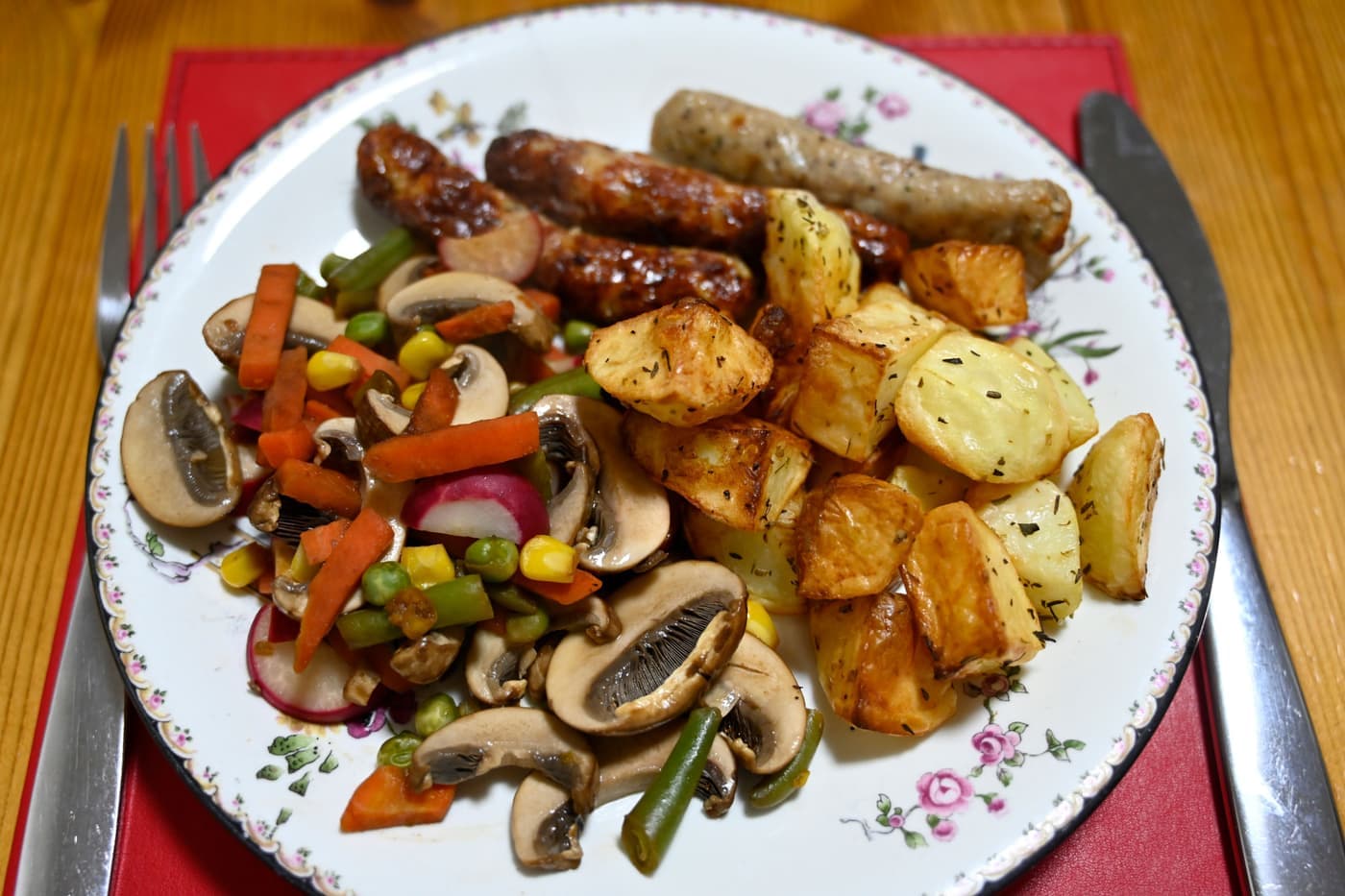
Homestyle American cooking describes a style and a method: food made from scratch the way a good home cook would make it, using everyday ingredients and unhurried technique. It's the roasts, casseroles, fresh sides, and from-scratch desserts of American home kitchens. Homestyle food is almost always comforting, but the label points to how it's cooked — honest, unpretentious, made by hand — rather than to how it makes you feel. We cover this fully in what is homestyle American food?.
Soul food
Soul food is a specific African American culinary tradition rooted in the American South, developed by Black Americans across generations out of resourcefulness, community, and deep cooking skill. It has its own signature dishes and techniques — collard greens, black-eyed peas, cornbread, candied yams, smothered pork chops, and fried chicken done a particular way, among many others. Soul food is comforting and home-cooked, but it is not a generic label for "hearty food" — it's a named heritage with its own history. For background, see Wikipedia's article on soul food.
Where they overlap
It's easy to see why the three get tangled. All three are usually home-style and made from scratch. All three lean on hearty, satisfying dishes and generous portions. And all three are, in the everyday sense, comforting — food that makes people feel good. A plate of fried chicken with mashed potatoes could reasonably be called comfort food, could be cooked in a homestyle American kitchen, and appears in the soul food tradition too. The overlap is real.
Because of that shared DNA, a single dish can belong to more than one category depending on how, and by whom, it's made. The categories aren't walls; they're different ways of describing food that shares a lot of common ground.
They also share a common purpose: to nourish people and bring them together. Comfort food, homestyle cooking, and soul food are all, at heart, forms of hospitality — food made to be shared at a table with the people you care about. That shared spirit is a big part of why the words feel interchangeable even when the definitions don't quite line up.
The key differences at a glance
The simplest way to keep them straight is to remember what each word is really pointing at:
- Comfort food is about a *feeling* — nostalgia and emotional warmth. It's the broadest term and is deeply personal; almost anything can be comfort food to someone.
- Homestyle American is about a *method and style* — from-scratch home cooking using everyday ingredients. It describes how the food is made.
- Soul food is about a *specific cultural heritage* — a distinct African American tradition from the South, with its own signature dishes and techniques. It describes a lineage, not just a plate.
Put simply: comfort food is a feeling, homestyle is a style, and soul food is a heritage. A restaurant can serve comforting, homestyle American food without serving soul food — the two are related cousins, not the same cuisine.
Why the labels get mixed up (and why it matters)
Restaurant directories and aggregator sites lean on a short list of cuisine tags, so a small homestyle American restaurant often gets slotted under "comfort food," "American," or sometimes even "soul food" by an algorithm or a well-meaning reviewer — not because the kitchen claims that heritage, but because the tag was the closest one available. That's how a family-run comfort-food spot in Kansas can end up mislabeled online.
It matters for two reasons. First, it sets the wrong expectation for diners looking for a specific cuisine. Second — and more importantly — soul food is a genuine cultural tradition, and using it as a catch-all for any hearty, home-cooked plate flattens a rich history. The respectful, accurate move is simply to call food what it actually is.
The word "comfort food" gets stretched, too. It's such a friendly, familiar phrase that it ends up covering almost anything hearty, from diner classics to fast food. That's harmless in casual conversation, but it can blur what a kitchen is really doing. When we call our food homestyle American comfort food, we mean something specific: home-style dishes, cooked from scratch, meant to comfort — no more, no less.
Which one describes Kitchen 64?
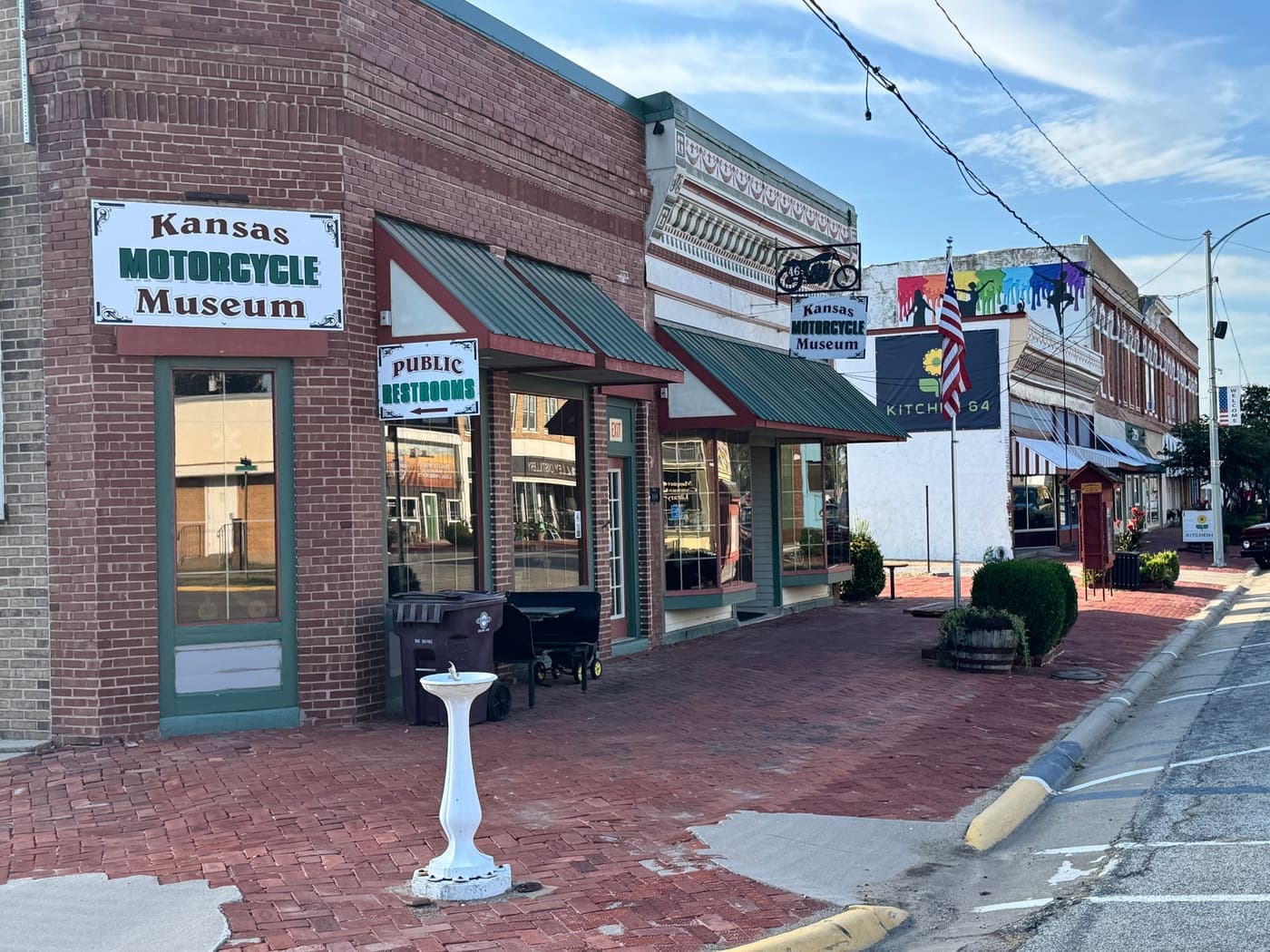
Kitchen 64 is a homestyle American comfort-food restaurant. We're a family-run kitchen in downtown Marquette, Kansas, cooking a small, rotating menu from scratch with care and intention. Our food is comforting — that's the whole point — and it's cooked in the homestyle American tradition, with everyday ingredients and patient technique. We don't describe ourselves as a soul food restaurant, because that's a specific heritage that isn't ours to claim.
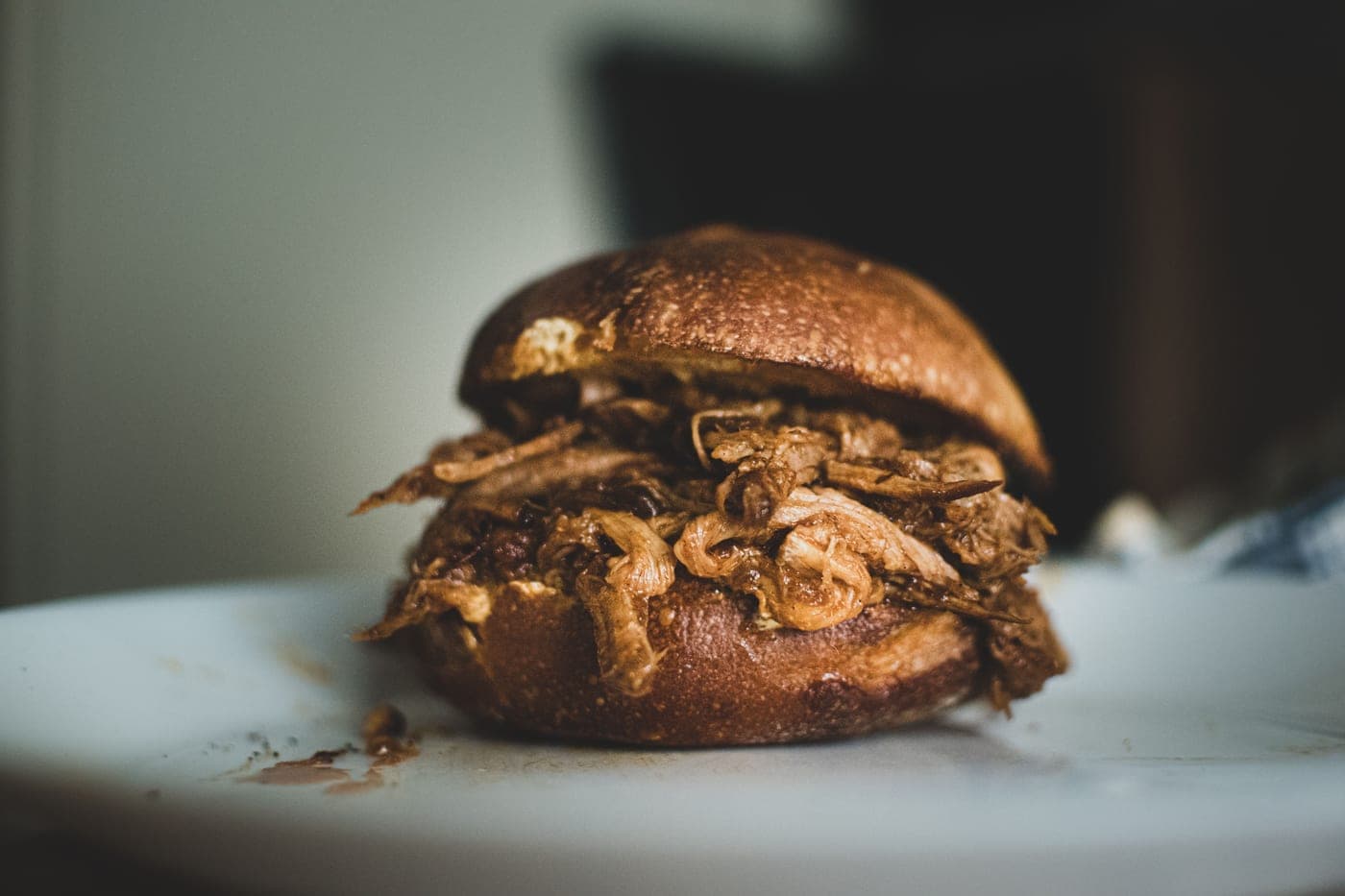
On a given day you might find pulled pork sandwiches, ribs, a BLT pasta salad, fresh seasonal salads, or house-made desserts — the menu changes with the seasons, so we can cook what's fresh. Most meals run about $10–$20 per person, dine-in or takeout.
Key takeaways
- Comfort food is a feeling (nostalgic, emotionally satisfying), homestyle is a cooking style (from-scratch home cooking), and soul food is a specific African American heritage.
- The three overlap heavily — hearty, home-cooked, and comforting — which is why they're often used interchangeably.
- Soul food is a distinct cultural tradition and shouldn't be used as a generic label for any hearty plate.
- Aggregator and review sites sometimes mislabel homestyle American restaurants; the accurate term matters.
- Kitchen 64 is homestyle American comfort food — family-run and made from scratch in Marquette, KS — not soul food.
Frequently Asked Questions
What's the difference between comfort food and homestyle food?
Is homestyle American food the same as soul food?
What kind of food does Kitchen 64 serve?
Why do some sites list Kitchen 64 under different cuisine types?
It is recommended to call ahead for parties of 6 or more. (620) 755-0727
Hungry after your day out?
Kitchen 64 is right on Washington Street in downtown Marquette — homestyle comfort food, made from scratch. Check our hours and plan your stop.
Call to order: (620) 755-0727